Showing all 12 resultsSorted by latest
450-0 million years old
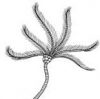
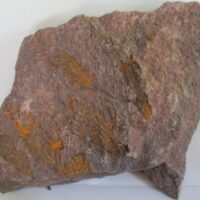
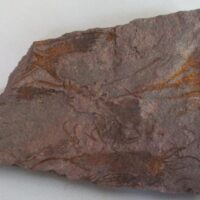
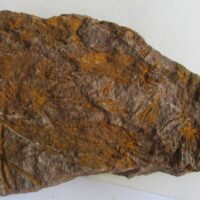
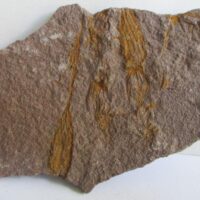
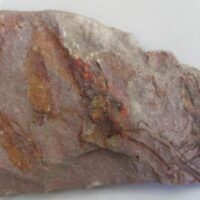
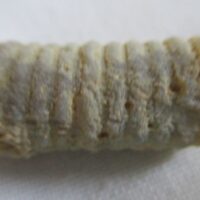
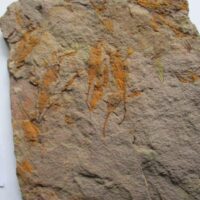
In our webshop, we sell fossil crinoids. Fossil crinoids, also known as sea lilies or feather stars, are marine animals that have been in existence for over 500 million years. Today, there are around 600 extant species of crinoids, but in the past, there were many more, and some could grow up to 40 feet tall. Fossil crinoids are a common find in many types of sedimentary rocks and are a fascinating subject of study for paleontologists.
Crinoids are members of the phylum Echinodermata, which includes other familiar marine animals such as starfish and sea urchins. Like other echinoderms, crinoids have a pentaradial symmetry and a water vascular system used for feeding, locomotion, and respiration. The main body of the crinoid is composed of a stem, calyx, and arms. The stem attaches the crinoid to the ocean floor, and the calyx contains the vital organs of the animal. The arms are used for filter feeding, and many fossil crinoids have been found preserved in a feeding posture.
Fossil crinoids are important indicators of ancient marine environments and are often used by geologists to date and interpret sedimentary rocks. Crinoids were abundant in shallow seas during the Paleozoic Era and can be found in rocks dating back to the Ordovician Period (485-443 million years ago). They are also found in rocks from the Mesozoic and Cenozoic Eras, although they are less common in these rocks.
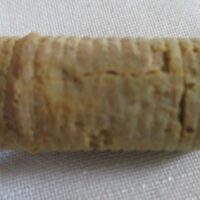
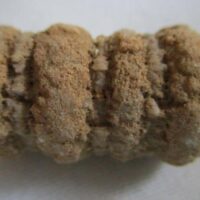
Fossil crinoids are valued by collectors for their intricate and beautiful structures. Some of the most common fossils are crinoid stems and calyx plates, but complete crinoids, including arms, are also found. The preservation of these fossils can vary greatly, with some specimens retaining exquisite detail, such as the fine structure of the arms, while others are more simplified due to the fossilization process.